The Most Common Septic Problems Homeowners Face
Homeowners facing common septic problems often need replacement or repair services, and local contractors can provide expert solutions to restore proper system function.
Homeowners in the area often encounter common septic problems that can disrupt daily routines and lead to costly repairs if not addressed promptly. Understanding these issues is essential for maintaining a healthy and functional septic system. Whether it’s frequent backups, unpleasant odors, or slow-draining fixtures, recognizing the signs early can help property owners seek the right solutions before minor problems turn into major repairs. Local contractors specializing in septic replacement and repair are equipped to diagnose and resolve these issues efficiently, ensuring systems operate smoothly and reliably.
Exploring the most common septic problems also highlights the importance of regular maintenance and timely repairs. Property owners who stay informed about potential concerns can better plan for necessary services, avoiding unexpected disruptions. When problems do arise, connecting with experienced local service providers ensures that repairs or replacements are handled correctly, helping to extend the lifespan of the septic system. Keep reading to learn more about these issues and how local experts can assist in restoring optimal septic system performance.
- Septic tank replacement - homeowners experiencing persistent backups or tank failure may need a full replacement, and local contractors can assess system condition and handle the installation.
- Septic tank repair - when issues like leaks, cracks, or clogs occur, local service providers can diagnose the problem and perform targeted repairs to restore proper function.
- Drain field repair or replacement - if wastewater is surfacing or the system is failing, local pros can evaluate the drain field and recommend necessary repairs or replacement.
- Septic system inspection - signs of slow drains or odors can indicate underlying problems, and local contractors can perform inspections to identify issues needing repair or replacement.
- Pump replacement or repair - when septic systems rely on pumps that fail or malfunction, local service providers can replace or repair pumps to ensure efficient operation.
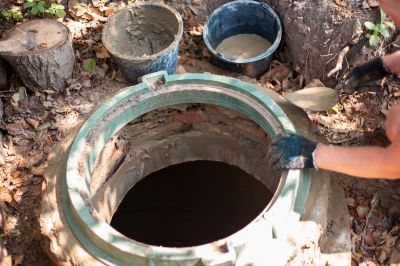
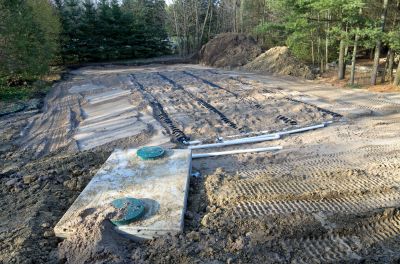
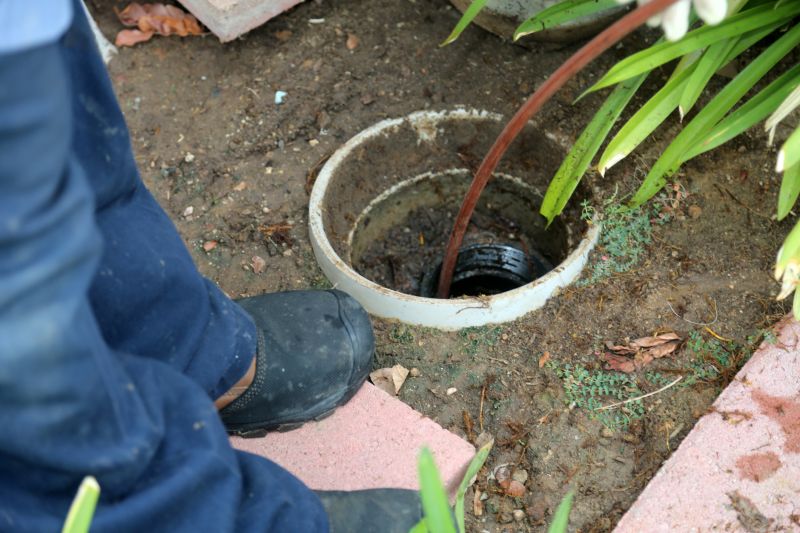
Many homeowners searching for information on the most common septic problems are usually trying to understand issues that could disrupt their household’s wastewater management. These problems often involve the septic system’s ability to process and dispose of sewage efficiently. When a septic system begins to fail or shows signs of trouble, it can lead to unpleasant odors, slow drains, or even sewage backups into the property. Homeowners want to identify these issues early to prevent costly repairs or system replacements. Local contractors specializing in septic repair and replacement are familiar with these typical problems and can provide solutions tailored to the specific needs of each property.
Septic problems frequently relate to the condition of the drain field, the tank itself, or the piping that connects the system. Common issues include clogged or saturated drain fields, which can cause wastewater to surface or back up into the home. Over time, septic tanks may develop cracks, leaks, or accumulate excessive solids that hinder proper functioning. Additionally, improper maintenance or overuse can lead to system overloads, resulting in backups or slow drainage. These issues are often linked to the plans or design of the septic system, which must be appropriate for the property’s size and usage. Local service providers can assess whether a repair or a complete replacement is necessary based on the nature of these problems.
The types of properties that typically encounter septic problems are usually those outside municipal sewer districts, such as rural homes, farms, or properties with larger land parcels. These properties rely solely on septic systems to manage household wastewater, making proper system functioning crucial. Older homes with aging septic tanks are also more prone to issues due to wear and tear over time. Additionally, properties with high water usage, poor drainage, or inadequate system design may experience more frequent problems. Service providers experienced in septic repair and replacement understand the specific challenges faced by these property types and can recommend effective solutions to restore proper function.
Understanding the common septic problems homeowners face helps make the connection between these issues and the importance of professional repairs or replacements. When signs of trouble arise, such as persistent odors, slow drains, or standing wastewater, it indicates that the system may need attention. Local contractors who specialize in septic services can diagnose the root cause, whether it’s a damaged tank, a clogged drain field, or other component failures. They can then provide the appropriate repair or replacement plan to ensure the system operates reliably and efficiently. Properly addressing these common problems not only prevents further damage but also helps maintain the health and safety of the household environment.
Drain field installation - professionals who install or repair drain fields for septic systems often handle related projects involving underground piping and soil testing, which are essential skills for septic repairs.
Pumping and cleaning services - septic tank pumping shares techniques with cleaning out other underground tanks or containers, requiring similar tools and planning for efficient maintenance.
Soil testing and site assessment - evaluating soil conditions for septic system performance involves planning and testing skills applicable to other subsurface projects and site preparations.
Drain tile installation - installing or repairing drain tiles involves understanding of underground piping and drainage, aligning with septic system repair and replacement work.
Underground utility locating - locating underground pipes and cables is a key step in septic repair projects and shares tools and planning strategies with other excavation-related services.
Leak detection and plumbing repairs - identifying and fixing underground leaks requires similar diagnostic skills and tools used in septic system troubleshooting and repairs.
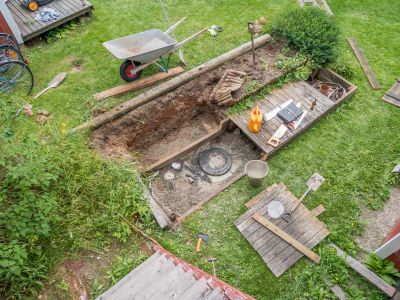
When evaluating service providers for septic replacement or repair, it’s important to consider their experience with similar projects. Homeowners should look for local contractors who have a proven track record of handling septic systems comparable to their specific needs. This can include familiarity with common septic problems homeowners face, such as backups, odors, or drain field failures. A contractor’s history with these issues can provide insight into their ability to diagnose and resolve the underlying causes efficiently, reducing the risk of future complications.
Clear, written expectations are essential when comparing local pros for septic work. Homeowners should seek detailed proposals that outline the scope of work, materials to be used, and the estimated process for repairs or replacement. Having this information in writing helps ensure everyone is aligned on what the project entails, minimizes misunderstandings, and provides a basis for comparing different service providers. Transparent communication about what to expect also enables homeowners to assess whether the contractor’s approach aligns with their needs.
Reputable references and effective communication are key factors in choosing the right service provider. Homeowners can ask potential contractors for references from previous clients who had similar septic issues addressed. Listening to feedback about the quality of work, professionalism, and responsiveness can provide valuable perspective. Additionally, good communication throughout the process-prompt responses to questions, clarity about procedures, and transparency about potential challenges-helps build confidence that the contractor will manage the project smoothly and keep the homeowner informed at every stage.
Property owners often search for the most common septic problems homeowners face when they are planning practical projects around their homes and businesses. Local pros provide Septic Replacement or Repair services for everyday jobs and straightforward project options.
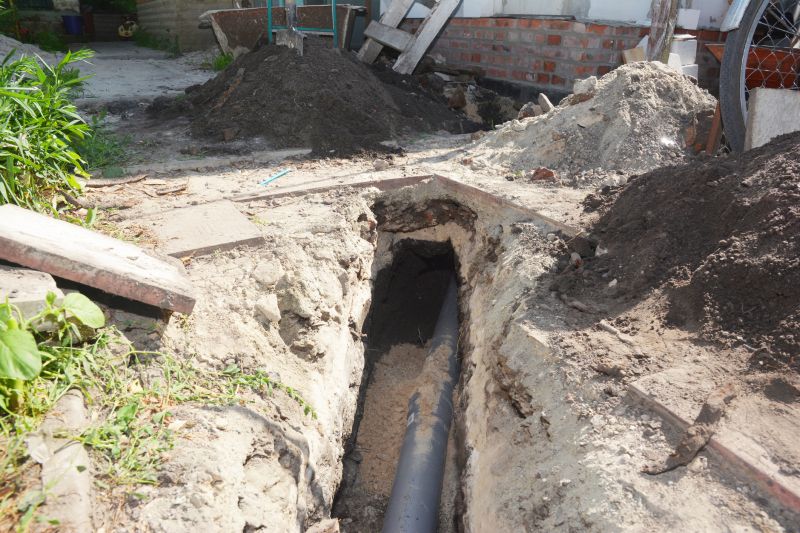
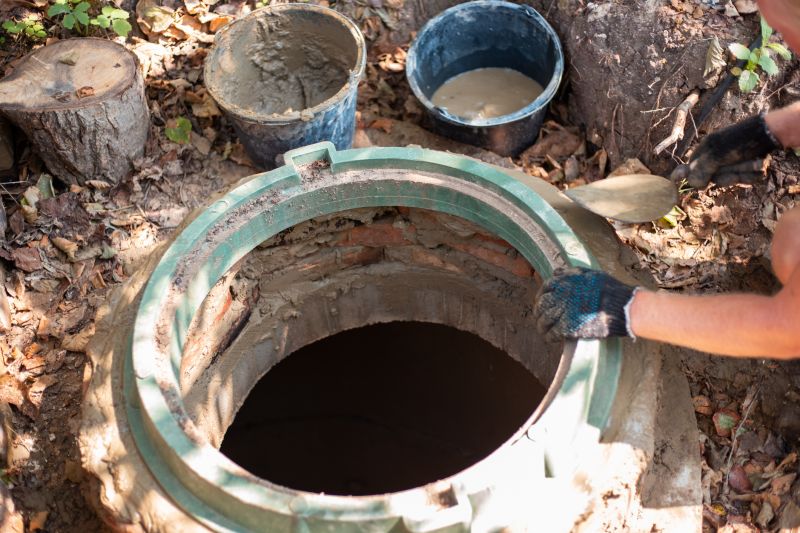
Many homeowners in the area encounter common septic problems that can disrupt daily routines and require prompt attention. Issues such as slow drains, foul odors, or backups are often signs of underlying septic system troubles. These situations may arise from routine use, age of the system, or minor clogs that develop over time. When such problems occur, property owners frequently seek the expertise of local contractors who specialize in septic repair or replacement to ensure the system functions properly and to prevent more serious damage.
Understanding the most common septic problems can help homeowners recognize when professional services are needed. For example, persistent standing water around the septic tank or recurring backups might indicate a failing system or blockage. In these cases, local service providers can assess the situation and recommend repair or replacement options. Engaging experienced local contractors ensures that septic issues are addressed effectively, helping to maintain the property's sanitation and avoid costly future repairs.
What are common signs of septic system problems? Signs include unpleasant odors, slow draining fixtures, sewage backups, or standing water around the septic tank area, indicating the need for inspection or repair by local contractors.
Why does my septic system frequently clog or drain slowly? Frequent clogs can result from solid buildup, improper waste disposal, or a failing drain field, which local service providers can diagnose and fix through repairs or replacement.
What causes septic tanks to overflow or leak? Overflow or leaks often occur due to tank overuse, structural damage, or failed components, requiring professional repair or replacement services from experienced contractors.
How can I prevent septic system failures? Proper waste disposal, regular inspections, and timely repairs by local contractors can help prevent common septic problems and maintain system function.
When is septic replacement necessary? Replacement is typically needed if the septic system is extensively damaged, has failed components, or cannot be repaired effectively, with local service providers able to perform the necessary work.
Clogged or backed-up septic tanks - homeowners can schedule inspections with local contractors to identify blockages and arrange for necessary repairs or replacements.
Leaking or damaged septic tanks - property owners might consider having professionals assess tank integrity and perform repairs or replacements to prevent further issues.
Slow-draining fixtures or foul odors - consulting local service providers can help diagnose system problems and recommend repair or replacement options.
Frequent system failures or alarms - homeowners can work with local contractors to evaluate system components and plan for repairs or septic replacement services.
If you are thinking about the most common septic problems homeowners face for a property, this guide is meant to help you understand this topic, the typical project types, and how different options might fit your plans.
When you are ready, you can use the quote form on this page to share a few details about your project. From there, local pros can review the basics and follow up with options that match what you have in mind.